
Your cart is currently empty!
How Dating Has Changed in the Last Five Years
Anyone who has been dating on and off for the past five years has probably felt it: something about the process feels different now than it did before. It’s not just a vague sense of change — there are concrete, measurable shifts in how people meet, communicate, and approach commitment. Some of these shifts trace back to the pandemic’s lasting effects on social behavior; others are the result of app fatigue, economic pressure, and a broader cultural reassessment of what people actually want from relationships.
Here’s an honest look at what’s genuinely changed, separate from the usual generational complaints that get recycled every few years regardless of what’s actually different.
The Pandemic Left a Lasting Mark on Pacing
One of the most significant, and least talked about, shifts came out of pandemic-era dating. During lockdowns, many people who were dating shifted toward longer virtual conversations before meeting in person, simply because in-person options were limited. That shift trained an entire generation of daters to expect — and sometimes prefer — a slower runway before meeting, more communication up front, and a higher bar for feeling emotionally comfortable before an in-person date happens at all.
That pattern didn’t fully disappear once restrictions lifted. Many people report longer pre-date texting periods than were typical five years ago, along with an increased expectation of a phone or video call before a first in-person meeting — something that was far less common as a default norm before 2020.
App Fatigue Has Become a Widely Reported Phenomenon
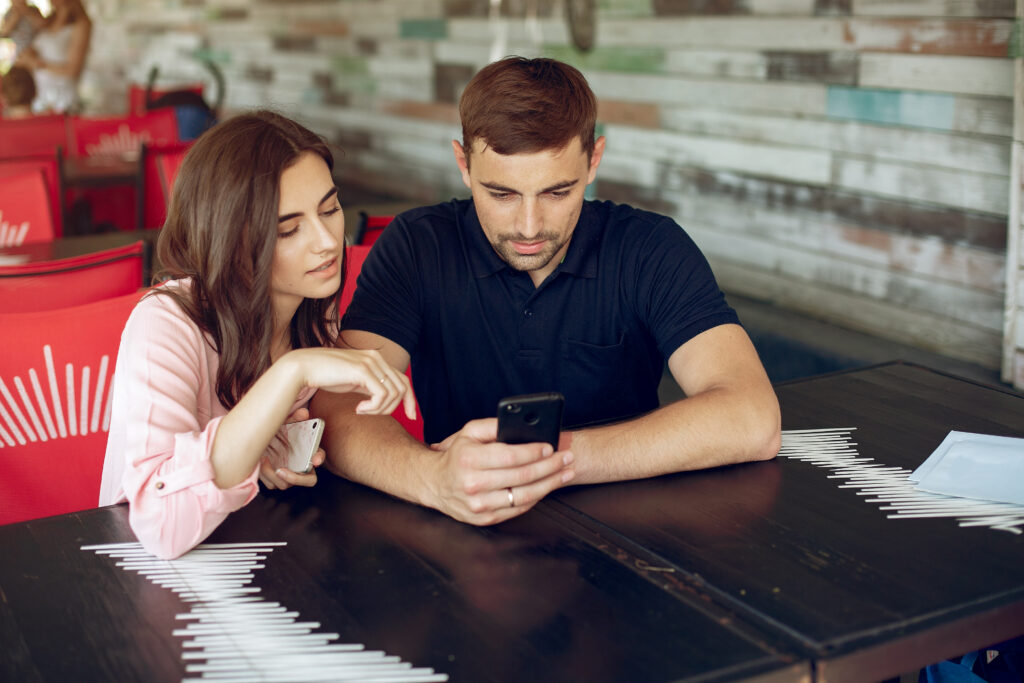
Dating apps aren’t new, but the relationship people have with them has shifted noticeably. Several years into near-universal app adoption, a large number of users — across nearly every major platform — report feeling fatigued, burned out, or disillusioned by the process. This isn’t a fringe sentiment; it’s become common enough that dating platforms themselves have responded with product changes aimed at reducing burnout, from limiting daily swipes to introducing more intentional, profile-depth-focused formats.
This fatigue has led to a countertrend: a resurgence of interest in meeting people offline, through friends, hobbies, and in-person events specifically designed around dating (run clubs, singles mixers, matchmaking events). Five years ago, apps were still widely treated as the default, most efficient way to meet someone. Today, more people are actively supplementing or replacing that default with in-person alternatives, partly out of fatigue and partly out of a stated desire for more “authentic” first impressions than a curated profile can offer.
Commitment Timelines Have Shifted, But Not Uniformly
There’s a persistent narrative that people are avoiding commitment more than they used to, but the more accurate picture is that commitment timelines have become less standardized rather than universally slower. Some people are moving toward relationships more quickly than five years ago, partly as a reaction against the ambiguity of casual dating culture and a stated desire for more clarity and intentionality. Others are taking longer, citing economic pressures, more selective standards after negative app experiences, or a general wariness about repeating past relationship patterns.
What’s changed most isn’t necessarily the average speed of commitment — it’s the range. Five years ago, dating culture leaned more uniformly toward extended casual periods before defining a relationship. Today, there’s a wider and more visible split between people actively seeking fast clarity and people intentionally taking things slow, which itself has become one of the more common sources of mismatch between two people who each assume their approach is the norm.
Therapy Language Has Become Mainstream Dating Vocabulary
Five years ago, terms like “attachment style,” “love bombing,” “emotional availability,” and “boundaries” were largely confined to therapy offices or psychology-adjacent corners of the internet. Today, this vocabulary is a standard part of everyday dating conversation, heavily amplified by social media content focused on relationship psychology.
This shift has real upsides — more people entering dating situations with at least a basic framework for identifying unhealthy patterns and articulating their needs. It’s also introduced new friction: terms originally meant to describe clinical patterns are now sometimes used loosely or inaccurately in everyday conflict (“you’re gaslighting me” applied to ordinary disagreements, for example), which can complicate communication rather than clarify it. Either way, this cultural fluency represents a genuine shift in how people talk about and interpret their dating experiences compared to five years ago.
Economic Pressure Has Become a More Visible Factor
Cost-of-living increases and broader economic uncertainty over the past several years have visibly changed dating behavior, particularly among younger daters. Traditional dinner-and-drinks first dates have become less default, replaced more often by lower-cost options like coffee, walks, or casual daytime meetups. Financial compatibility and stability have also become more openly discussed topics earlier in dating than was typical five years ago, reflecting broader anxiety about long-term financial security.
This economic backdrop has also fed into more explicit conversations about what people are looking for and why — with many daters reporting less patience for casual, undefined dynamics, partly because time and money spent on dating feel more precious under tighter financial conditions than they did half a decade ago.
AI and New Technology Have Entered the Picture
In just the past couple of years, AI tools have started showing up directly inside the dating process — from AI-assisted profile writing and opening-message suggestions to AI-powered matching algorithms on major platforms. This is a genuinely new development that didn’t meaningfully exist five years ago in its current form, and it’s already reshaping certain norms, including growing skepticism about whether a witty opening message was actually written by the person sending it.
This shift has added a new layer of authenticity-checking to early digital interactions — something dating culture didn’t have to account for even a few years back.
What Hasn’t Changed
Despite all these shifts, it’s worth naming what’s stayed remarkably consistent. People still fundamentally want to feel chosen, understood, and emotionally safe. Good communication, consistency, and mutual respect remain the core predictors of relationship success, regardless of which app, format, or cultural trend is currently shaping the surface-level experience of dating.
The tools and norms around dating change constantly. The underlying human needs driving people toward relationships in the first place have stayed remarkably stable — which is worth remembering when the pace of change in the dating landscape starts to feel disorienting.
The Takeaway
Dating has genuinely changed over the last five years — slower initial pacing shaped by pandemic-era habits, real and widely acknowledged app fatigue, a wider spread in commitment timelines, mainstream adoption of therapy language, growing economic pressure on dating choices, and the early but real influence of AI on how people meet and communicate. These aren’t imagined shifts; they’re measurable changes in behavior and culture.
What hasn’t changed is what people are actually looking for underneath all of it. Understanding both — what’s genuinely different and what’s stayed the same — makes it easier to navigate dating today without either dismissing real cultural shifts or losing sight of the fundamentals that still drive good relationships, regardless of the era.
Leave a Reply