



If dating feels harder, more confusing, or emotionally draining than it did a few years ago, you’re not imagining it. Over the last five years, dating hasn’t just evolved—it has fundamentally changed.
Between 2020 and 2025, technology, social media, emotional awareness, economic pressure, and shifting personal values reshaped how people meet, connect, commit, and disengage. The rules that once guided dating no longer apply the same way, and many people are struggling to adapt.
This article explores how dating has changed in the last five years, why modern dating feels overwhelming for so many people, and what these changes mean for relationships moving forward.
Dating Became Digital-First, Not Optional
Five years ago, dating apps were one of many ways to meet someone. Today, they are often the primary gateway to dating.
What changed isn’t just usage—it’s dependence.
- First impressions happen through profiles, not presence
- Conversations begin online, not organically
- Algorithms influence who we meet
- Attraction is filtered before emotional connection forms
This shift has made dating faster and more accessible, but also more transactional. People are evaluated quickly, often superficially, and replaced just as easily. While technology increased opportunity, it also reduced patience and depth in early connections.
Emotional Availability Became a Non-Negotiable Standard
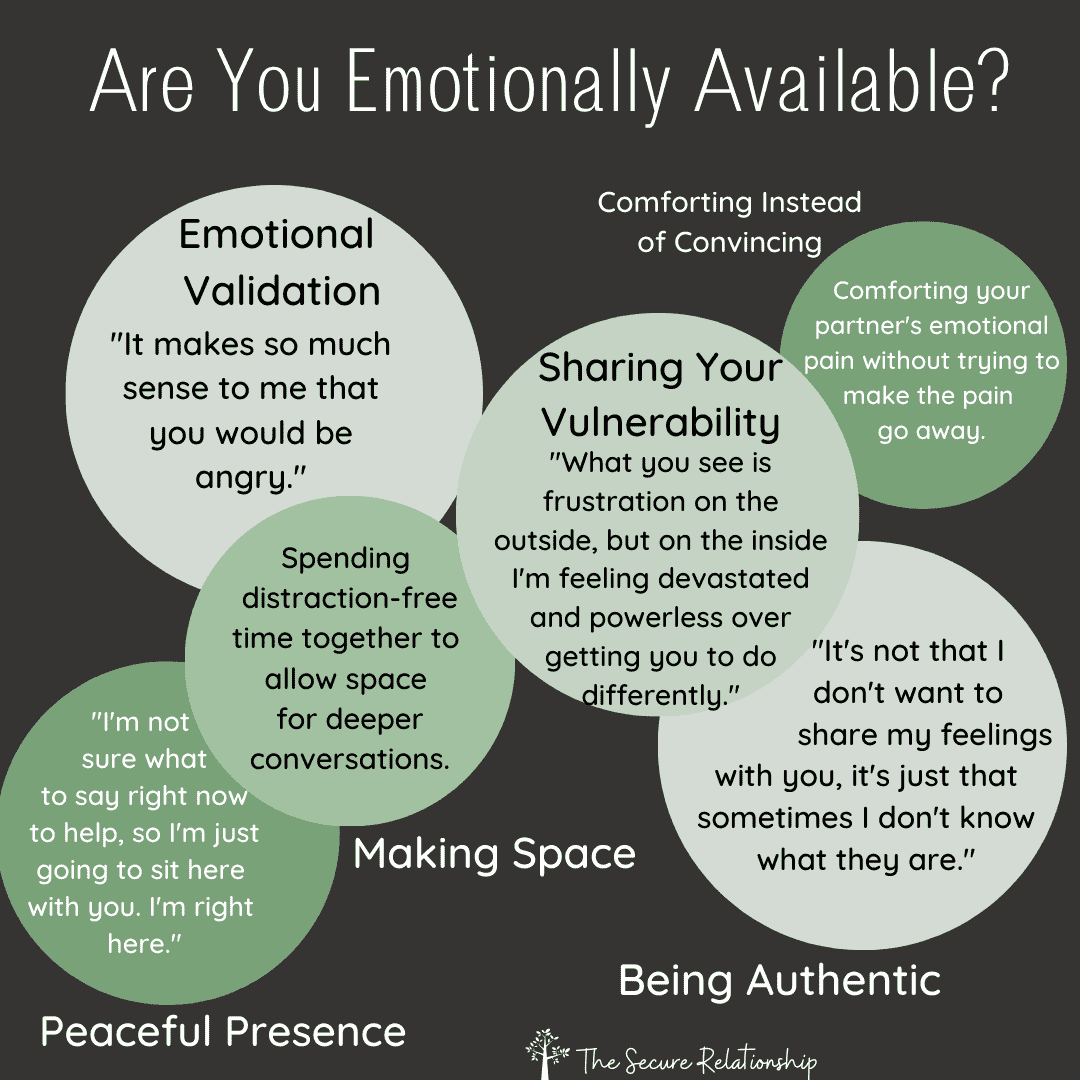

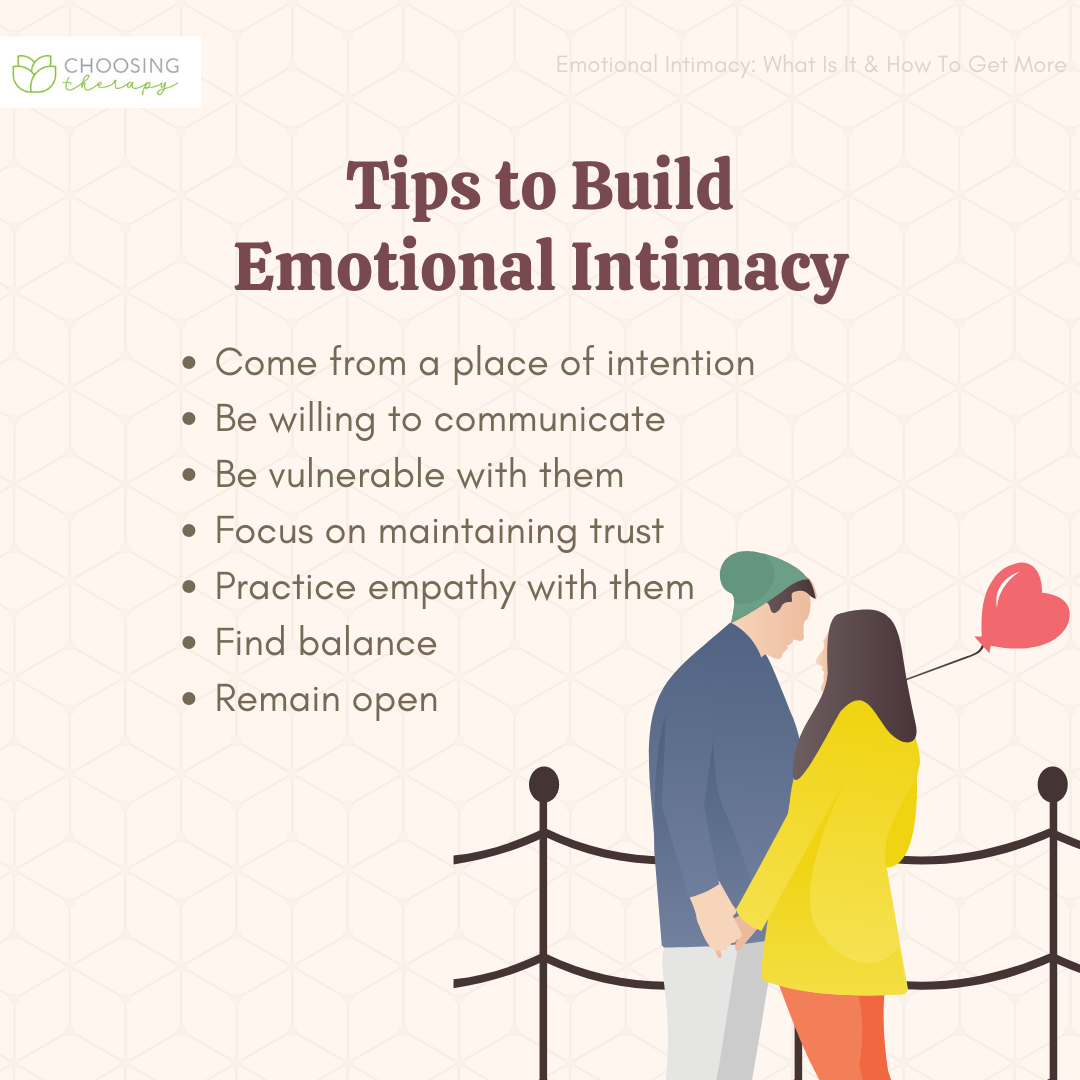
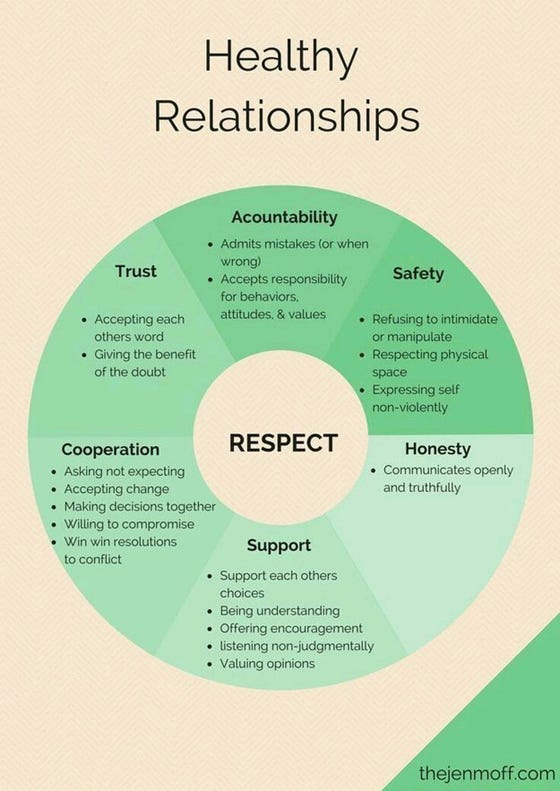
Five years ago, emotional availability was rarely discussed. Today, it’s one of the most important dating requirements.
People now openly talk about:
- Emotional availability
- Attachment styles
- Communication patterns
- Emotional safety
This change happened because many experienced inconsistent behavior—hot-and-cold communication, mixed signals, and emotional withdrawal. As a result, people became more aware of what healthy emotional engagement looks like.
However, while awareness has increased, emotional maturity hasn’t grown at the same pace for everyone—creating frustration and imbalance in dating dynamics.
Situationships Replaced Clear Relationship Stages
One of the most noticeable shifts in modern dating is the rise of situationships—romantic connections without labels, clarity, or commitment.
Situationships thrive because they offer:
- Emotional comfort without responsibility
- Companionship without long-term planning
- Intimacy without accountability
While they feel safe initially, they often lead to emotional confusion and unmet expectations. In the past, dating moved toward clarity. Today, many connections remain undefined for months, sometimes years.
Dating Burnout Became the Norm
Modern dating fatigue is real—and widespread.
Many people feel emotionally exhausted before even going on a date. Endless talking stages, ghosting, failed connections, and emotional investment without outcomes have turned dating into a draining process.
Common causes of dating burnout include:
- Too many options, too little intention
- Emotional labor without security
- Repeated disappointment cycles
- Lack of honest communication
Dating shifted from excitement to emotional effort, making many people disengage entirely or date half-heartedly.
Boundaries Are Talked About More—but Respected Less
Boundaries are now a common part of dating language. People openly discuss standards, deal-breakers, and emotional needs.
Yet enforcement remains difficult.
Why?
- Fear of loneliness
- Attachment to potential
- Hope that behavior will change
- Emotional investment already made
Five years ago, boundaries were often ignored unknowingly. Today, they’re ignored consciously—creating internal conflict and emotional stress.
Social Media Reshaped Relationship Expectations
Social media didn’t just change dating—it reshaped how relationships are perceived.
People now compare:
- Relationship timelines
- Emotional expression
- Romantic gestures
- Communication frequency
This constant comparison creates unrealistic expectations and pressure to perform rather than connect. Relationships are no longer just lived—they’re observed, judged, and measured against curated online standards.
Money and Stability Started Influencing Attraction
Economic uncertainty over the last five years has changed dating priorities.
People now consider:
- Financial compatibility
- Stability versus spontaneity
- Long-term practicality
- Emotional and economic safety
Dating became less about fantasy and more about sustainability. Love still matters—but stability plays a larger role in decision-making than before.
Mental Health Awareness Changed What Feels Attractive
Mental health awareness significantly shaped modern dating.
People now value:
- Emotional intelligence
- Self-awareness
- Willingness to communicate
- Healing and growth
However, this shift also introduced challenges. Therapy language is sometimes used to avoid accountability, and self-diagnosis can replace real emotional work.
Healthy awareness improves dating—but only when paired with responsibility and effort.
Commitment Is Delayed, Not Rejected
Contrary to popular belief, people haven’t stopped wanting commitment. They’ve become more cautious about it.
Modern commitment is:
- Slower
- More intentional
- Built on consistency
- Rooted in emotional safety
People want clarity early—but trust takes longer. This creates tension between desire for commitment and fear of repeating past emotional pain.
Dating Became More Self-Focused
Modern dating emphasizes self-respect, boundaries, and personal peace. This is a positive shift—but it comes with downsides.
Excessive self-focus can lead to:
- Low tolerance for conflict
- Avoidance instead of repair
- Walking away instead of working through issues
Healthy relationships still require compromise, patience, and emotional effort—qualities that are sometimes undervalued today.
What These Changes Mean for the Future of Dating
Dating didn’t get worse—it became more honest.
Illusions broke. Tolerance decreased. Emotional standards rose.
Modern dating now demands:
- Emotional clarity
- Consistency over words
- Accountability
- Mutual effort
While dating feels harder, it’s also more intentional. Fewer connections progress—but those that do are more aligned and grounded.
Final Thoughts: Modern Dating Is Harder Because It’s Realer
Dating in the last five years feels overwhelming because people are no longer willing to settle for confusion, inconsistency, or emotional neglect.
Today, love isn’t just about attraction.
It’s about safety, clarity, stability, and growth.
If dating feels exhausting, it doesn’t mean you’re failing—it means you’re navigating a system that finally asks for truth instead of tolerance.
Frequently Asked Questions (FAQs)
How has dating changed in the last five years?
Dating has become digital-first, emotionally aware, and more cautious. Dating apps, social media, and mental health awareness now shape how people connect, while commitment often takes longer to develop.
Why does modern dating feel so exhausting?
Dating feels exhausting due to dating app burnout, ghosting, emotional inconsistency, and repeated talking stages that don’t lead to clarity or commitment.
What is a situationship and why is it common now?
A situationship is an undefined romantic connection without commitment. It’s common because many people want emotional closeness without responsibility or fear long-term commitment.
Has social media affected dating expectations?
Yes. Social media creates unrealistic relationship standards and constant comparison, increasing pressure and dissatisfaction in modern dating.
Are people afraid of commitment today?
Most people still want commitment but approach it cautiously due to past emotional trauma, trust issues, and the desire for emotional safety.
How have dating apps changed relationships?
Dating apps increased access but reduced patience and accountability, encouraging superficial judgments and the belief that better options are always available.
Is modern dating better or worse than before?
Modern dating is more honest but emotionally demanding. While it exposes incompatibility faster, it also allows for deeper, more intentional connections.
If you want, I can now:
- Add FAQ schema (JSON-LD)
- Optimize this for AI Overview snippets
- Adapt tone for CouplesEmotion / sexnmoney
- Create a pillar + internal linking strategy
- Generate Pinterest-ready featured images
Just tell me what you want next.
Leave a Reply