



In today’s digital relationships, texting has become more than just a tool for communication — it’s often treated as a measure of interest, effort, and emotional availability. So when someone replies late but still stays engaged in the conversation, it can leave you confused, overthinking every gap and message.
Are they busy? Playing games? Losing interest?
Or is there something deeper happening beneath the surface?
The truth is, late replies don’t automatically signal emotional distance. In many cases, they reveal communication style, emotional patterns, or personal boundaries rather than lack of care. Let’s break down what it really means when someone takes time to reply — but continues to show engagement.
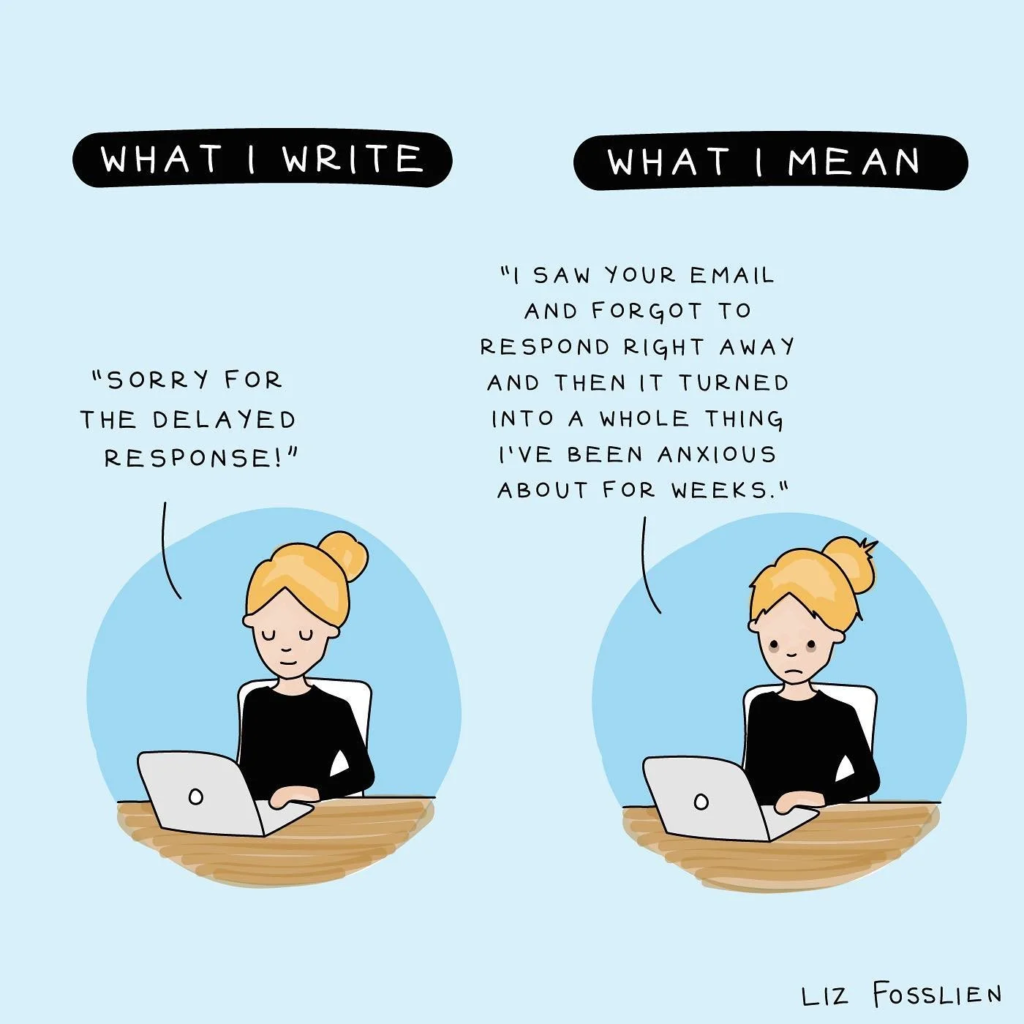
Late Replies Don’t Always Mean Disinterest
One of the biggest misconceptions in modern dating and relationships is equating response time with emotional investment. While fast replies can feel reassuring, slow replies aren’t always negative.
Some people don’t live on their phones. Others prefer to respond when they’re mentally present rather than sending rushed or half-hearted messages. For them, replying late is not avoidance — it’s intention.
If someone consistently replies later but:
- Keeps the conversation going
- Responds thoughtfully
- Asks questions
- Remembers details about you
That’s still a form of emotional engagement.
Engagement Is About Quality, Not Speed
A powerful way to understand texting behavior is to shift focus from when someone replies to how they reply.
Someone who:
- Responds with depth
- Shares personal thoughts
- Uses warmth, humor, or curiosity
- Makes an effort to continue the conversation
is emotionally present — even if they’re not immediately available.
On the other hand, quick replies that are dry, one-worded, or dismissive can indicate low engagement despite fast timing. Energy matters more than immediacy.
Different People Have Different Communication Rhythms
Texting habits are deeply personal. Some people see texting as constant connection, while others see it as functional communication.
Late replies can happen because someone:
- Is focused on work or responsibilities
- Doesn’t multitask emotionally
- Needs time to think before responding
- Gets socially or mentally drained
- Values in-person or deeper conversations more than frequent texts
None of these automatically mean they care less.
When two people have different texting expectations, misinterpretation is common — especially if one partner associates fast replies with reassurance.
Attachment Styles Play a Big Role
How someone texts is often shaped by their emotional wiring.
- Avoidant communicators may delay replies because constant messaging feels overwhelming, even when they’re interested.
- Anxious communicators may notice delays more intensely and interpret them as rejection.
- Secure communicators tend to be flexible — replying when they can without attaching emotional meaning to timing.
If someone replies late but remains emotionally consistent, it may reflect their attachment style rather than their feelings toward you.
Busy Doesn’t Mean Emotionally Unavailable
Life doesn’t pause for relationships. People juggle work, family, health, stress, and responsibilities — and texting often falls lower on the priority list.
Someone who replies late but still engages may simply be:
- Managing mental load
- Dealing with emotional exhaustion
- Setting boundaries with their phone
- Choosing to respond when they can be fully present
This can actually be a sign of emotional maturity — valuing presence over performance.
When Late Replies Are Normal vs. Concerning
Late replies are usually normal when:
- The person explains or acknowledges being busy
- The tone remains warm and consistent
- They initiate conversations sometimes
- There’s emotional reciprocity
Late replies may be a red flag when:
- Messages are frequently ignored
- Replies feel cold or obligatory
- There’s no curiosity about your life
- Communication only happens on their terms
Consistency over time matters more than isolated delays.
Why Late Replies Trigger Overthinking
Late replies often trigger anxiety because texting feels like a real-time emotional connection. Silence can feel personal, even when it isn’t.
Overthinking usually comes from:
- Fear of abandonment
- Past relationship wounds
- Unclear communication expectations
- Emotional dependency on texting for validation
If delayed replies cause distress, it’s worth asking whether the issue is the response time — or the emotional meaning attached to it.
How to Handle Late Replies in a Healthy Way
Instead of assuming the worst, try this:
- Observe patterns, not moments
One late reply means nothing. Repeated emotional inconsistency does. - Communicate your needs calmly
You can say, “I feel more connected with some consistency in replies.” - Don’t chase or over-adjust
Match effort, not anxiety. - Focus on overall connection
How do they show up emotionally outside texting?
Healthy relationships allow room for different communication styles without constant fear or confusion.
The Bigger Picture: Texting Isn’t the Relationship
Texting is a tool — not the relationship itself. Someone can care deeply and still be a slow texter. Others may text constantly but lack emotional depth.
When someone replies late but stays engaged, it often means:
- They value meaningful conversation
- They’re present in their own way
- They’re emotionally available, just not instantly accessible
The real question isn’t “Why are they replying late?”
It’s “How do I feel in this connection overall?”
Clarity, consistency, and emotional safety matter far more than response time.
Leave a Reply